
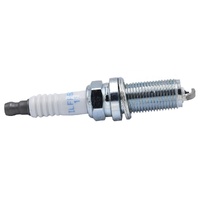
Hyundai Spark Iridium Plug for H-1, iLoad, Santa Fe
RRP $42.74 Save 18%
$35.23
1884011051
Great Value

Let us know by webchat or below methods if you can’t find the part you are looking for.
$35.23
1884011051
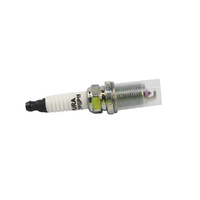
$31.25
2741037100
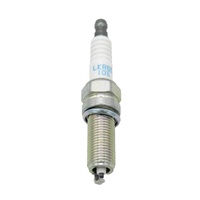
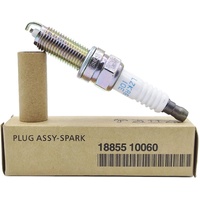
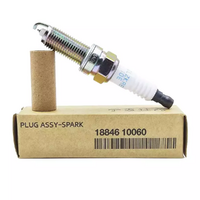
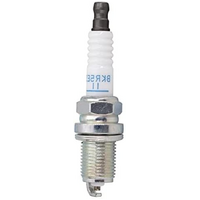
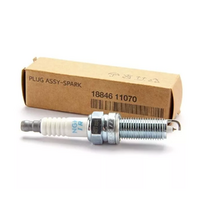
$37.76
1884611070
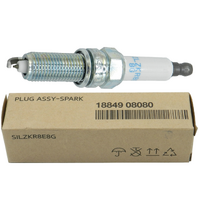
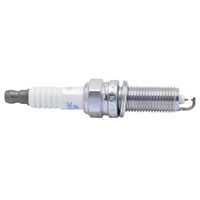
$58.89
1887508085
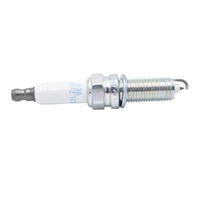
$26.21
1884908071
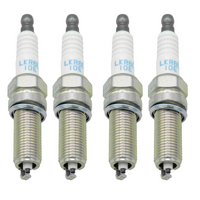
$68.78
1884310062 x4
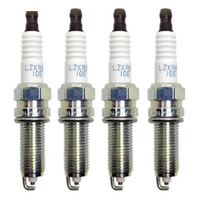
$61.36
1885510060 x4
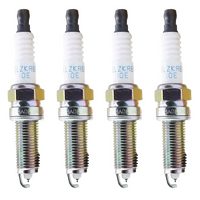
$120.76
1884610060 x4
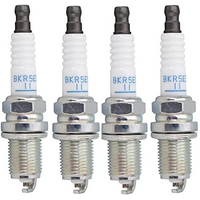
$33.63
1881411051 x4
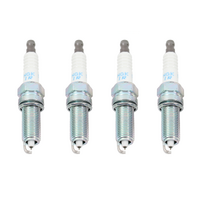

$172.56
1884908080 x4

$193.68
1887508085

$225.69
1885709085 x4
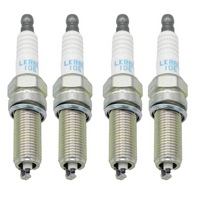
A Hyundai spark plug ignites the air‑fuel mixture inside your engine’s cylinders, creating the controlled combustion that produces power. Each plug must deliver a precise spark at the right moment. Genuine Hyundai spark plugs are engineered for your specific engine, ensuring correct heat range, thread length, electrode design, and reliable ignition performance.
Replacement intervals vary by plug type and model:
Always follow your Hyundai owner’s manual or service schedule. It is also recommended to get your spark plug checked regularly.
Watch for these common symptoms:
Replacing worn spark plugs can noticeably improve engine performance, drivability, and fuel efficiency while reducing emissions. It is highly recommended to use genuine spark plugs when replacement. Genuine Hyundai spark plugs deliver the consistency and longevity your engine was designed for.
We suggest having spark plugs replaced at an authorised Hyundai Service Centre to ensure correct torque, gap (where applicable), and coil handling. If you’re confident with DIY, the job is doable with care.
On most Hyundai petrol engines, spark plugs sit at the top of the engine, threaded into the cylinder head, directly under the ignition coils (coil‑on‑plug). Below are the basic steps to change spark plugs.
Tip: Replace all plugs as a complete set. If coils or boots look cracked or oil‑soaked, consider replacing them too and address any rocker cover gasket leaks.
At Jefferson Hyundai Parts, we stock genuine Hyundai spark plugs for all Hyundai models and year ranges, including i30, i20, Accent, Elantra, Staria, iLoad, iMax and more.
If you can’t find the exact spark plug for your Hyundai on our online store, just reach out via webchat. Our parts specialists will quickly help you identify and source the correct genuine spark plugs.


Add your favourites to cart

Select Afterpay at checkout

Log into or create your Afterpay account, with instant approval decision

Your purchase will be split into 4 payments, payable every 2 weeks
All you need to apply is to have a debit or credit card, to be over 18 years of age, and to be a resident of country offering Afterpay
Late fees and additional eligibility criteria apply. The first payment may be due at the time of purchase
For complete terms visit afterpay.com/terms